- Home
-
Destinations
BROWSE OUR AFRICA SAFARI DESTINATIONS
- Safaris
- Safari Experiences
- About Us
- Contact Us
Fly-In Safaris · East Africa
Skip the long road transfers. Fly between the parks of Kenya, Tanzania, Uganda and Rwanda by light aircraft, and land minutes from the wildlife.
A fly-in safari turns a full day behind the wheel into a flight of an hour or two straight to a bush airstrip near your camp. It connects all four countries in a single trip and reaches the remote camps the road barely serves. Choose a country below, browse the itineraries that already build in the flying, then read the full guide beneath.
Choose Your Country
Each country flies differently, its own airlines, hubs and airstrips. Start with a country, or read the full guide below.
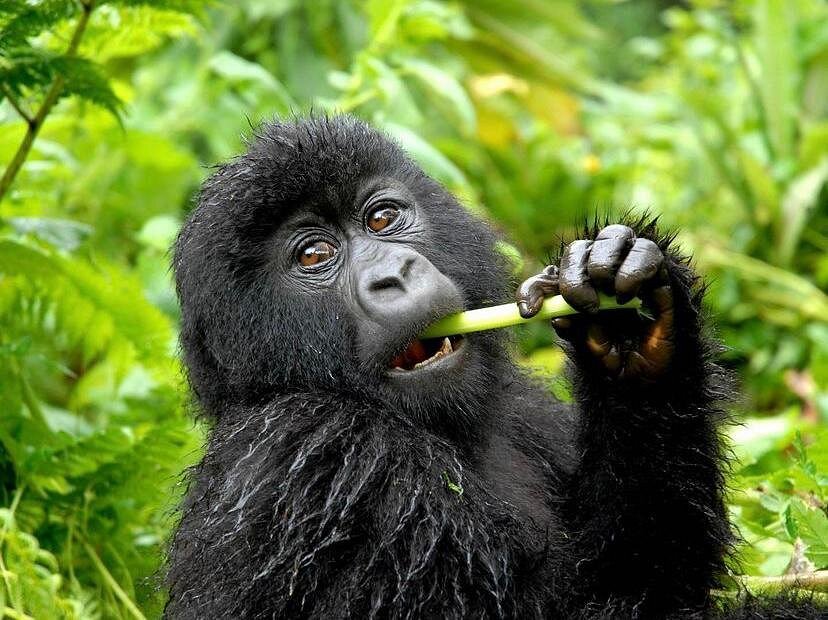 UgandaUganda Fly-In SafarisAerolink Uganda, from EntebbeKihihi, Kisoro, Kasese, Pakuba, ApokaExplore Uganda →
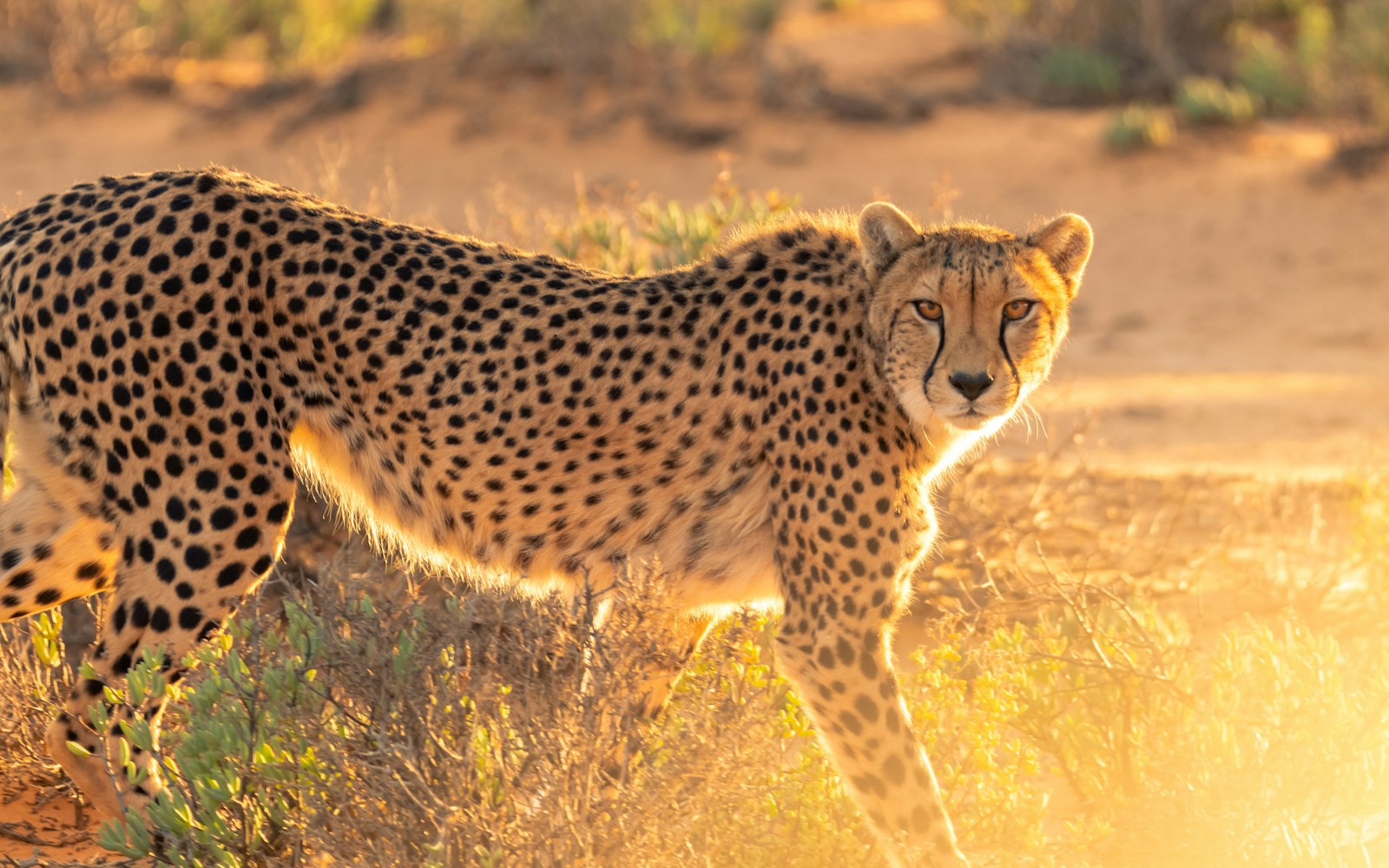 KenyaKenya Fly-In SafarisSafarilink and Air Kenya, from WilsonMara Serena, Olkiombo, Samburu, AmboseliExplore Kenya →
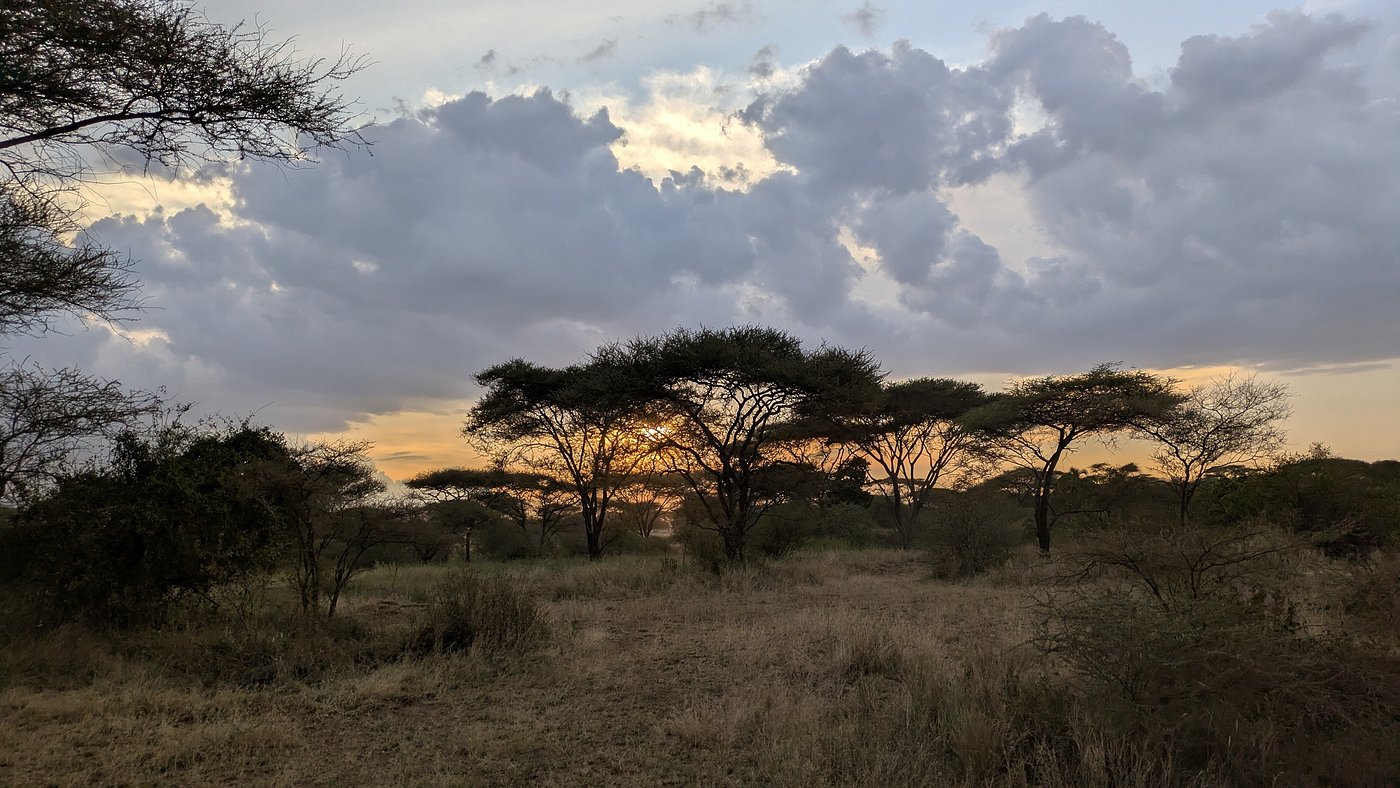 TanzaniaTanzania Flying SafarisCoastal Aviation and Auric AirSeronera, Kogatende, Ndutu, LoboExplore Tanzania →
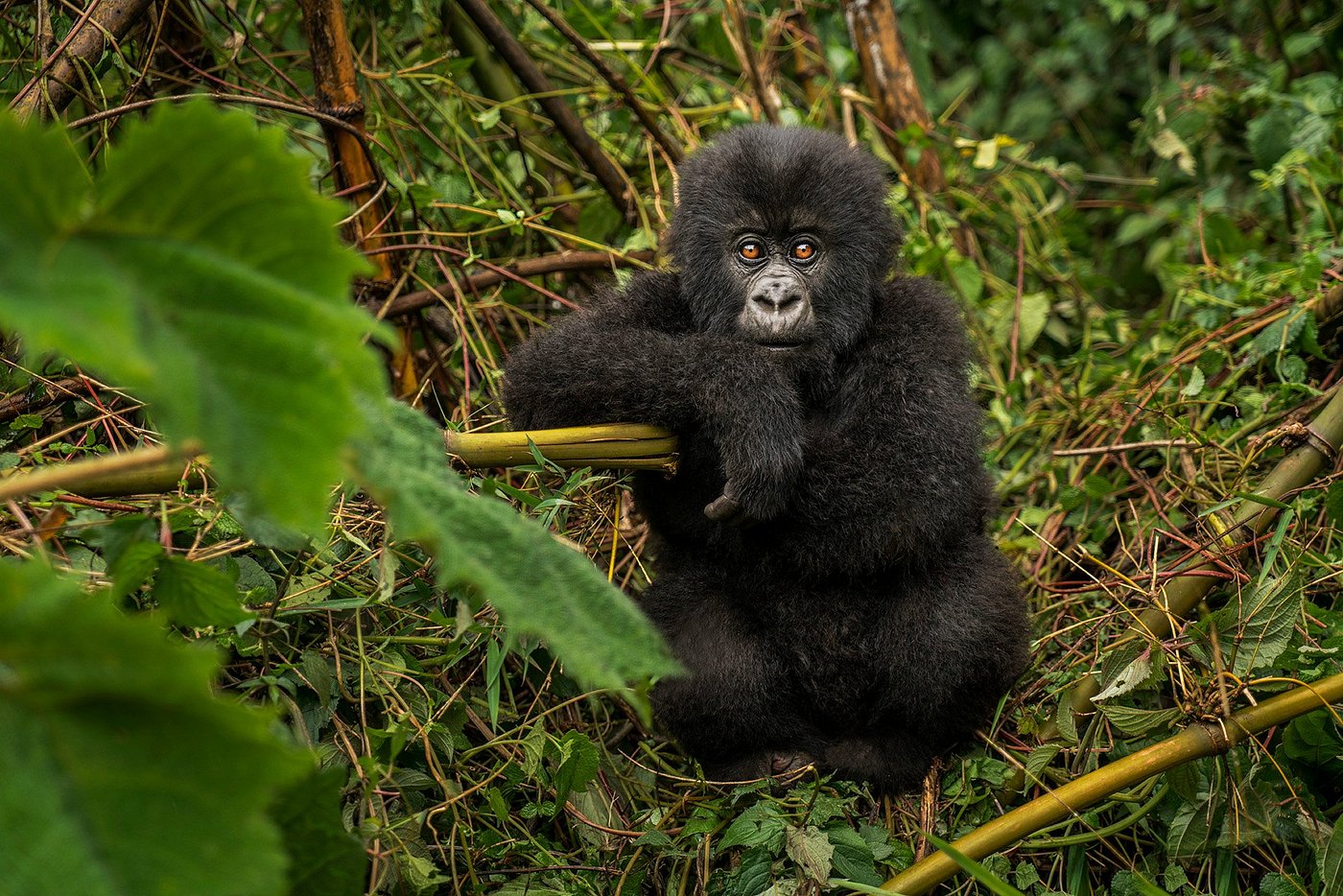 RwandaRwanda Fly-In SafarisAkagera Aviation, from KigaliKigali to Akagera, Musanze, KamembeExplore Rwanda →
Trips That Fly
Live itineraries from our collection that build in the flying where it makes the trip work.
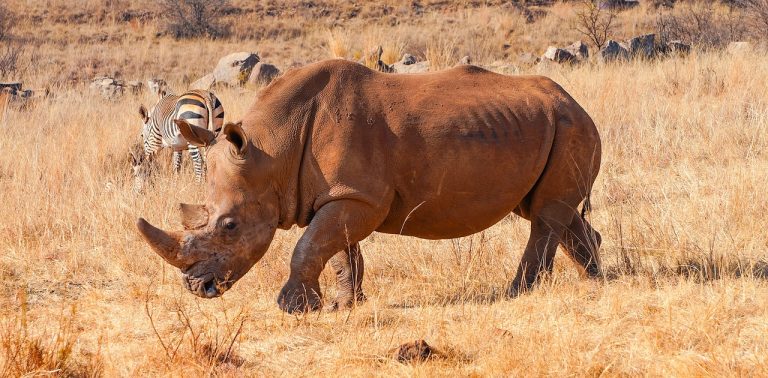
Track black rhino on foot across private conservancies, then meet the rare northern species of Samburu: reticulated giraffe, Grévy's zebra and more.
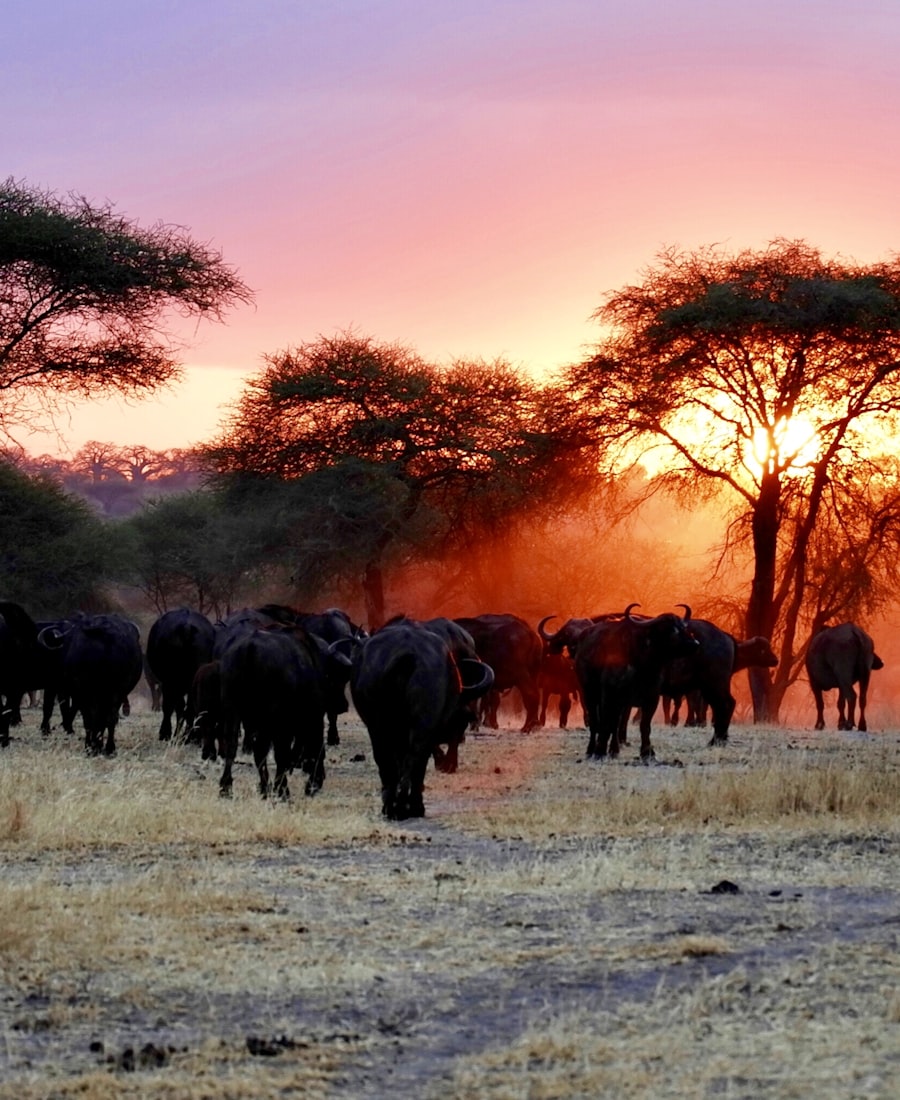
Follow the Great Migration across the Serengeti's endless plains, with front-row river crossings and a descent into the Ngorongoro Crater.
From the tree-climbing lions of Ishasha and Nile boat safaris below Murchison Falls to a misty dawn trek through Bwindi's Impenetrable Forest.
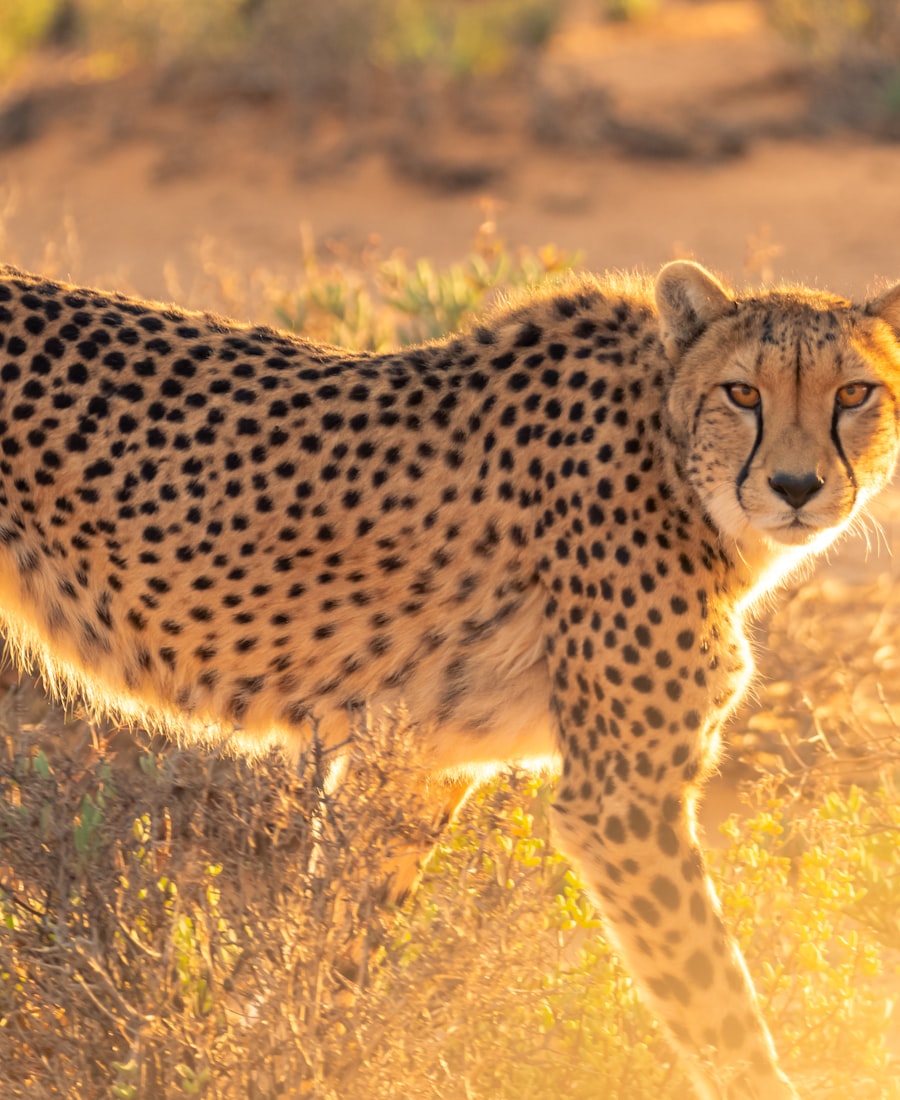
The ultimate odyssey: cheetah hunts at dawn in the Mara, the endless Serengeti, and a final unforgettable hour among the mountain gorillas.
The Full Guide
A luxury fly-in safari moves you between East Africa’s parks by light aircraft instead of by road, turning a full day behind the wheel into a flight of an hour or two straight to a bush airstrip near your camp. Guests book these flights as part of a wider safari, connecting Kenya, Tanzania, Uganda and Rwanda in one trip. The small Cessna and Beechcraft aircraft land at remote strips inside the reserves, close to the lodges.
Most people who ask us about flying are weighing the same thing: whether the extra cost buys enough to matter. It usually does when the parks sit far apart, when the roads are long and rough, or when the days are too few to spend one of them in a vehicle staring at tarmac. Below is how a fly-in safari works across each of the four countries, which airlines and airstrips serve which parks, and where the flying earns its place in a trip.
Time is the real currency of a safari. A road transfer from Kampala to Bwindi runs eight to nine hours; the flight is a little over an hour. Arusha to the northern Serengeti is a hard day on the road or a short hop by air. When you are paying for a gorilla permit, a private guide and a lodge that charges by the night, a day lost to driving is an expensive day.
The flying does more than save hours. Many of the best camps in East Africa sit in places the road barely reaches: the far northern Serengeti along the Mara River, the Laikipia conservancies, the remote reaches of Kidepo in Uganda’s northeast. A fly-in safari puts those within reach on a short itinerary rather than a two-week overland expedition. You trade a bumpy drive for a window seat over the plains, and you land rested rather than shaken.
Flying suits some trips more than others. If your parks are close together, as several are in Rwanda, a good vehicle and a driver guide can be both cheaper and more flexible. Flying pays off most when the distances are long, the roads are slow, or the days are few. We will tell you plainly when a drive serves you better than a flight.
A Uganda fly-in safari runs on Aerolink Uganda, the country’s main domestic carrier, flying small Cessna Grand Caravans out of Entebbe International Airport to a network of park airstrips. Each flight takes roughly an hour and a quarter, against road transfers that can swallow most of a day. For the gorilla parks in the far southwest, the time saved is considerable.
The airstrips map neatly onto the parks. Bwindi Impenetrable Forest is served by Kihihi to the north and Kisoro to the south, the choice depending on which gorilla sector you trek. Queen Elizabeth National Park uses Kasese and Mweya. Murchison Falls has three strips, Pakuba, Bugungu and Chobe, spread along the park. Kidepo Valley, the remote jewel in the northeast that road travellers rarely reach, is served by Apoka airstrip, and flying is by far the most practical way in. Semliki has its own strip too.
For a gorilla trekking safari on a tight schedule, the Entebbe to Bwindi flight is the single biggest time saver in the Uganda circuit. It turns a trip that road-bound visitors need a week for into something that fits comfortably into a long weekend, which is why fly-in gorilla itineraries have become popular with travellers short on days rather than money.
Kenya has the most developed fly-in safari infrastructure in East Africa, built around Nairobi’s Wilson Airport and served mainly by Safarilink and Air Kenya. Both run scheduled light aircraft into the safari regions daily, and both hold long safety records flying into short bush strips. Wilson is the hub almost every Kenyan flying safari passes through.
The Maasai Mara alone has a cluster of airstrips, among them Mara Serena, Olkiombo, Keekorok and Ol Kiombo, each feeding a different set of camps, so you land close to your lodge rather than driving across the reserve. Samburu in the north, Amboseli beneath Kilimanjaro, the Laikipia conservancies and Diani on the coast all sit on the scheduled network. This density is what makes a Kenya fly-in safari so smooth: you can string together the Mara, Samburu and Amboseli in a week without a single long drive, moving camp to camp by air.
The flight into the Mara is not dead time between the airport and the animals. Banking low over the plains, you often see the herds before you have landed.
Safarilink also flies the coast, linking the safari parks to Diani and on to Zanzibar, which is how a bush-and-beach trip comes together without backtracking through Nairobi. For that coastal leg the luggage allowance loosens a little, though the soft-bag rule still holds.
A Tanzania flying safari is served by Coastal Aviation and Auric Air, both operating young fleets of Cessna Grand Caravans out of Arusha, Kilimanjaro, Dar es Salaam and Zanzibar. The Serengeti is vast, far too large to cross casually by road, which is exactly why flying suits it. The park has several airstrips, and the one you use depends on where the wildlife and your camp happen to be.
In the north, Kogatende serves the Mara River camps where the migration crosses between roughly July and October. Seronera covers the central Serengeti, good year round. Ndutu in the south is the strip for the calving season around January and February, and Sasakwa and Lobo serve their own lodge clusters. A migration-following flying safari might land at Ndutu early in the year, then Kogatende later, chasing the herds by air across distances no vehicle could cover in the time.
The southern circuit rewards flying even more, since Ruaha and the Nyerere reserve, formerly the Selous, are remote enough that road access eats days. For those parks a light aircraft is less a luxury than the sensible way in, dropping you into wilderness that stays quiet precisely because it is hard to reach.
Rwanda is the exception, and honesty serves you better here than a sales pitch. The country is small and its roads are genuinely good, so most Rwanda safaris move by vehicle: Kigali to Volcanoes National Park is a comfortable drive of about two hours on smooth tarmac. Fixed-wing fly-in has less of a role than it does next door.
Where Rwanda does offer flying is by helicopter charter, run by Akagera Aviation from Kigali. A scheduled helicopter transfer connects Kigali with Akagera National Park in the east in around twenty five minutes, against a road drive of roughly three hours, and another route reaches Musanze near Volcanoes for gorilla trekking. There are light aircraft options to the Kamembe strip near Nyungwe Forest in the southwest, where the chimpanzee tracking is, and that western corner is the one part of Rwanda where flying saves real time.
For a short Rwanda gorilla trip, we usually suggest the road to Volcanoes and save the helicopter budget for the lodge. The exception is Nyungwe or Akagera on a tight schedule, where flying turns a half-day drive into a short hop and frees a day for the forest or the plains.
The aircraft on a fly-in safari are small, typically Cessna Grand Caravans or Beechcraft, seating six to twelve passengers. You sit close to the pilots, the windows are large, and every bump of air is felt, which is part of the experience rather than a fault. Scheduled flights hop between strips picking up and dropping guests, so your flight may make a short stop or two before yours; a private charter flies direct on your own timing, at a higher cost.
The one rule that catches people out is luggage. Almost every safari airline holds a strict limit of 15 kilograms per person, including hand luggage, and it must travel in a soft-sided duffel, not a hard suitcase. The holds on these aircraft are small and awkward in form, so a rigid case simply will not fit. Coastal and Zanzibar routes sometimes allow 20 kilograms, but plan for fifteen. Camps almost all offer laundry, which makes packing light far easier than it sounds, and we store any extra bags at base for your return.
Weather is the honest variable. Short delays happen, usually from afternoon cloud or rain over the strips, and a well-built itinerary leaves enough slack to absorb them. Reputable operators keep you informed and rebook without drama. We build that flexibility in rather than pretending the sky always cooperates, and we recommend travel insurance that covers trip disruption for the same reason.
Several of our itineraries already build in the flying where it makes the trip work, and they are the easiest way to see how a fly-in safari comes together in practice. Our Uganda Wildlife Safari and Gorillas uses the Entebbe air network to reach the western parks without the long westward drives, and the Grand East Africa trip links the Mara, the Serengeti and the gorilla parks across borders in a way only flying makes practical on a single holiday.
For a classic flying circuit in one country, the Tanzania Wildebeest Migration safari moves by air between the Serengeti strips to stay with the herds, while Laikipia Rhino Conservancies and Samburu hops between Kenya’s northern conservancies, several of which are far quicker to reach by plane. Any of these can be adjusted to suit you, and a road-based trip can usually be converted to fly-in where the routing supports it. Just ask, and we will map it to your days and your budget.
The flying itself runs year round, so timing is really about the wildlife and the weather rather than the aircraft. The long dry months from June to October are the classic window across most of the region: thinner vegetation, easier game viewing, and the Mara River crossings of the migration in the northern Serengeti and the Maasai Mara. Airstrips stay firm and delays are fewer.
The green season, roughly November to May with a break, has its own case. Rates at many fly-in camps drop, the light is good for photography, the calving season fills the southern Serengeti plains around January and February, and the parks are quieter. Some minor strips can go soft after heavy rain, which is the one seasonal wrinkle flying adds, and a sensible itinerary plans around it. Gorilla trekking in Uganda and Rwanda runs all year, with the drier spells easier underfoot.
Almost every fly-in trip begins at one of the regional hubs: Entebbe for Uganda, Nairobi’s Wilson for Kenya, Kilimanjaro or Arusha for northern Tanzania, and Kigali for Rwanda. Your international flight lands at the main airport, and the light aircraft take over from there, so the connection is usually a short transfer rather than a separate day. Where a trip crosses borders, a handful of scheduled links now join the networks directly, Entebbe to Kilimanjaro among them, which makes a multi-country flying safari smoother than it once was.
The detail that matters is sequencing: matching flight schedules, permit dates and lodge availability so the pieces line up without a wasted day. That is the part we handle, and it is where a operator who flies these routes weekly saves you the guesswork of stitching timetables together yourself.
The flights are priced on top of your lodges, permits and guiding. As a rough guide, a single point to point light aircraft leg, say Nairobi to the Mara or Arusha to the Serengeti, usually runs somewhere between 150 and 400 US dollars per person one way. A private charter, where you fly on your own schedule rather than a shared flight, ranges more widely, often from around 1,500 to 5,000 US dollars or more depending on the aircraft and distance. In Rwanda, a scheduled helicopter seat to Akagera starts around 280 US dollars per person. Because the flying replaces long transfers, a fully fly-in luxury itinerary tends to sit at the upper end of safari pricing, commonly from about 6,000 US dollars per person upward for a week. We quote the flights transparently as a line in your itinerary so you can see exactly what the air legs add.
Almost every safari airline holds you to 15 kilograms per person, and that figure includes your hand luggage and camera bag. It must all go in a soft-sided duffel, because the aircraft holds cannot take a hard suitcase. A few routes, mainly to Zanzibar and the Kenyan coast, allow 20 kilograms. Passengers over 100 kilograms may be asked to buy an extra seat, which is a weight-and-balance safety rule rather than an airline being awkward. Almost all camps offer laundry, so packing for three or four days works even on a longer trip, and we hold any surplus luggage at base for you.
East African bush flying has a solid safety record with the established operators, who fly under civil aviation authority oversight in each country: Safarilink and Air Kenya in Kenya, Coastal Aviation and Auric Air in Tanzania, Aerolink in Uganda, Akagera Aviation in Rwanda. The aircraft are chosen for short bush strips and flown by pilots with a great deal of local experience. The most common disruption is weather rather than anything mechanical, usually a short delay for cloud or rain, and we build itineraries with enough flexibility to absorb it. We book only through licensed carriers, never an informal arrangement.
It depends on the trip, and we will give you a straight answer for yours. Flying wins when parks are far apart, roads are slow, or your days are limited, the Serengeti, Kidepo, the southern Tanzanian parks and cross-border circuits are strong cases. Driving wins when parks sit close together, when you want to see the country between them, or when you are travelling as a group and the per-seat flight cost multiplies. Rwanda often makes more sense by road. Many of our trips mix the two, flying the long legs and driving the short scenic ones.
Yes, and it is one of the strongest reasons to fly. A road-based multi-country trip loses days at borders and on long transfers, whereas the air networks now connect across them: Safarilink links Entebbe with Kilimanjaro and Arusha, and the Mara connects south into the Serengeti. A single holiday can take in Kenyan plains, the Serengeti migration and Uganda’s gorillas, or Rwanda’s Volcanoes with a Tanzanian beach finish. We handle the cross-border flights, the permits in each country and the timing so the whole thing runs as one trip rather than three stitched together.
Book as early as you can, ideally six months to a year ahead for the peak dry season and for anything involving gorilla permits, which are capped daily and sell out. The flights themselves can often be arranged closer in, but the lodges and permits that the flights connect are the limiting factor, especially the small fly-in camps that hold only a few rooms. For green-season travel you have more room to book late, and it is also when both camp rates and availability work in your favour.
Most legs are flown in Cessna Grand Caravans, single-engine turboprops seating around twelve, or smaller Cessnas and Beechcraft on quieter routes. They are built for short, rough airstrips and give big windows and a close view of the pilots. In Rwanda the flying is largely by helicopter, from small Robinson machines up to larger Agusta craft for longer scenic transfers. Private charters use the same aircraft types, the difference being that the plane is yours for the day rather than shared with other guests.
A flying safari is a personal thing, and how it takes shape, which parks, how many air legs, where a drive serves you better, stays yours to decide. Ancient Africa Safaris is owner led and East Africa is all we do, so you deal with people who fly these routes with clients through the year and will tell you honestly where the flying is worth it and where it is not. Once you decide to go ahead, the flights, the permits and the timing across borders are quietly ours to carry.
There is no rush. Whenever the time feels right, write to us at Ancient Africa Safaris, and one of our team will reply in person to talk through how a fly-in safari might work for your days.
Ready to see it for yourself?
START PLANNING MY SAFARI